
E100 vehicles get regulatory nod as MoRTH amends motor vehicle rules
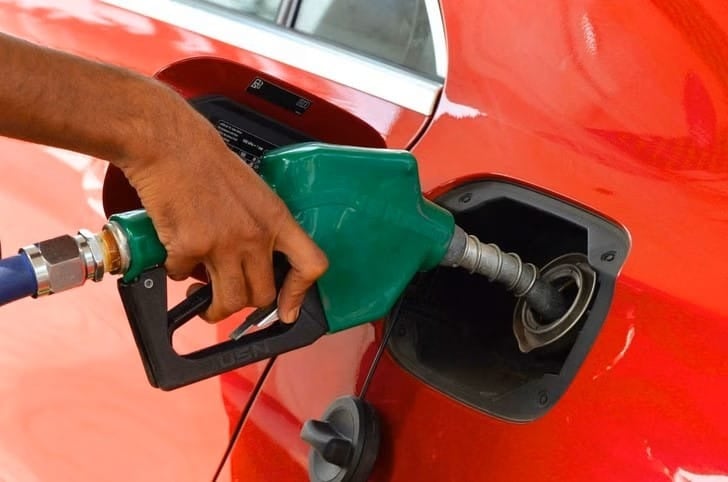
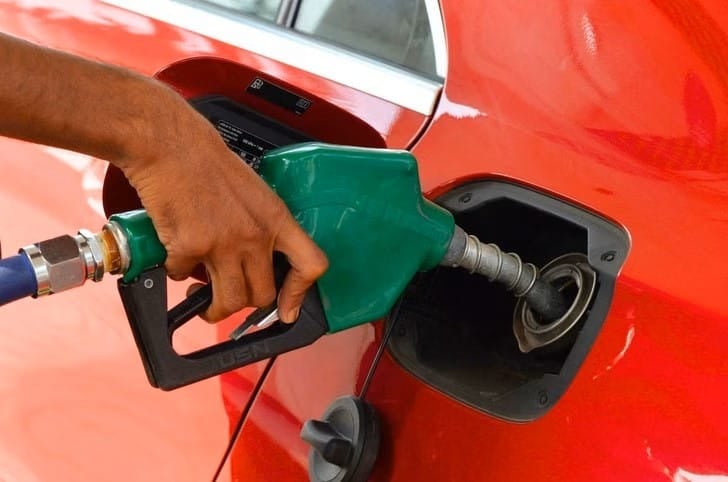
The Ministry of Road Transport and Highways (MoRTH) has updated the motor vehicle rules to allow carmakers to build and sell flex-fuel vehicles (FFVs) that use 100 percent ethanol (E100) and 100 percent biodiesel (B100). Earlier, these rules allowed homologation of up to E85 (85 percent ethanol blend) vehicles. The amended rules now provide the legal framework (homologation norms) for manufacturers to commercialise the E100 flex-fuel prototypes they have been testing extensively.
- Updated rules clarify that E85 and E100 can only be used in certified FFVs
- Existing vehicle owners are not required to switch to E85 or modify their vehicles
Along with this, MoRTH has also raised the Gross Vehicle Weight (GVW) testing threshold from 3,000kg to 3,500kg.
Updated Central Motor Vehicles Rules (CMVR): What’s new?
Amended Rule 115 allows for E100 homologation alongside E85
The updated Rule 115 of the Central Motor Vehicles Rules (CMVR), 1989, now states that the emission-certification tables include E100 (near-pure ethanol) alongside E85. These rules finalise the emission and testing protocols for manufacturers (OEMs), which are required to bring E100 and B100 vehicles to the Indian market.
To remove confusion, MoRTH has explicitly stated that E85 or E100 can be used only in vehicles specifically designed and certified as Flex-Fuel Vehicles (FFVs) and not with other vehicles that are compatible with lower ethanol blends. The notification also states that the updated rules “do not require owners of existing vehicles to switch to E85 or modify their vehicles either at present or in the future”.

The commercial vehicle and construction equipment sectors gain a clear regulatory pathway with the substitution of (B10) with (B100) in testing parameters. Notably, most global and Indian heavy diesel engines are validated for up to B20 blends without major fuel-system re-engineering. So, it is understood that while the regulatory protocol for pure B100 testing is established, commercial adoption remains a distant goal.
Gross Vehicle Weight testing threshold increased to 3,500kg
With the government raising the GVW testing threshold, now vehicles weighing up to 3,500kg can use standard chassis-dynamometer drive-cycle emission limits. In other words, manufacturers can now test large vehicles under 3,500kg as complete vehicles on standard roller rigs instead of taking the engines apart and mounting them on a standalone test rig, something previously required for all vehicles over 3,000kg. This would help them save time and cost.
With inputs from Shahkar Abidi and Dipan Sur